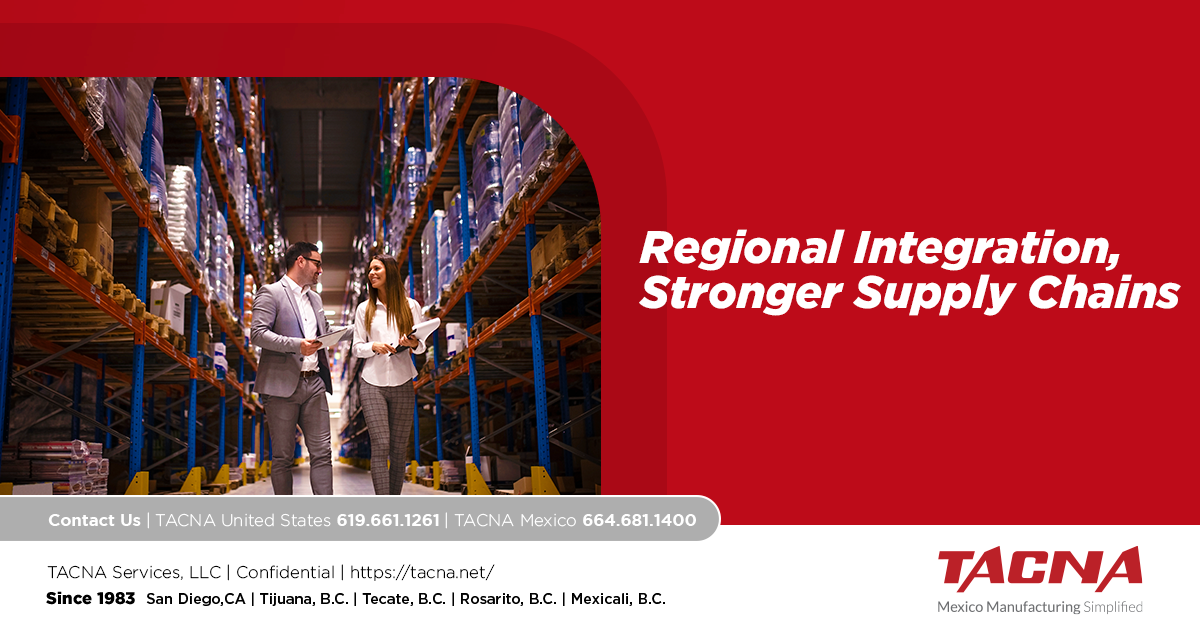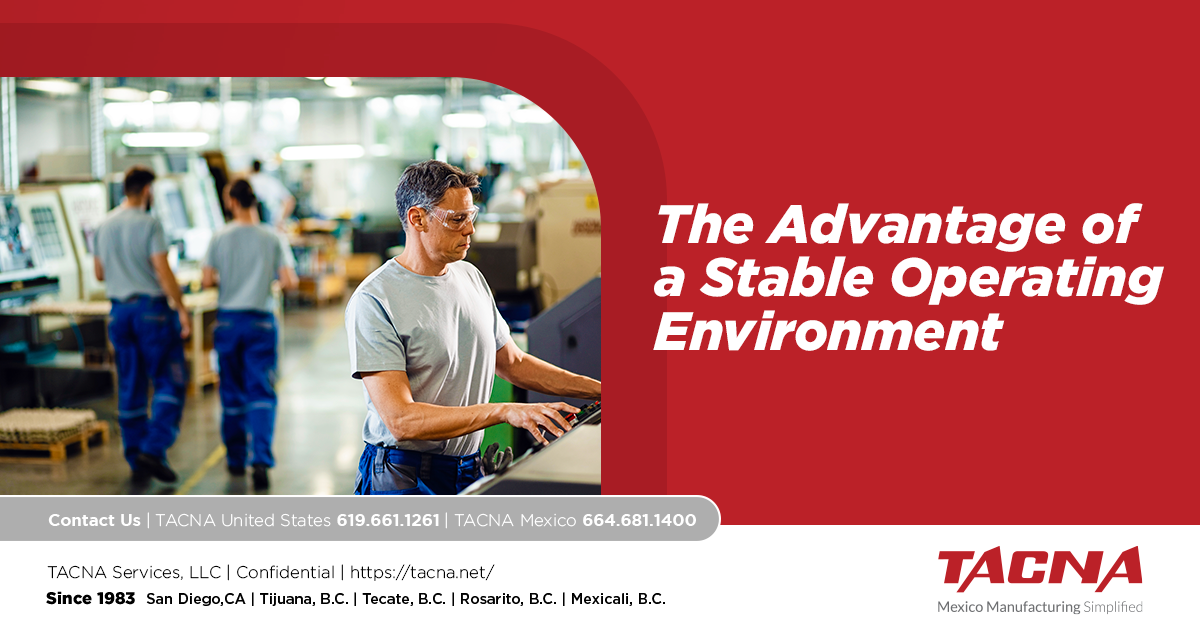
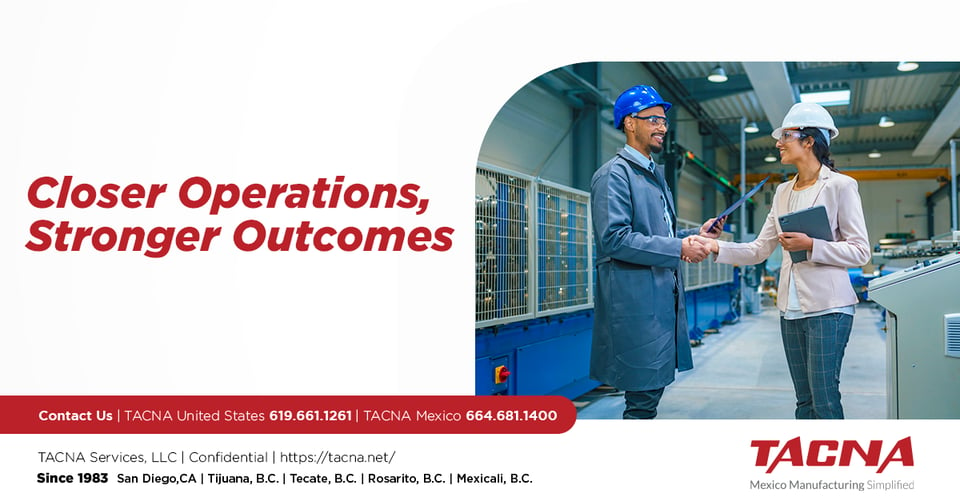
A Shift Toward Manufacturing Environments That Reflect Business Reality
Manufacturing has entered a stage where organizations can no longer afford to operate with fragmented visibility or delayed understanding. The pace of global markets demands operations that move in sync with leadership, not behind it. Companies that continue producing far from their strategic centers face a structural disadvantage: their manufacturing reality drifts away from their decision‑making reality, creating a gap that slows execution, weakens alignment and erodes confidence.
This gap is not created by poor management or weak processes — it is created by distance. When leadership and production live in separate worlds, the operation becomes heavier, slower and more reactive. Information loses accuracy as it travels, decisions lose impact as they delay, and teams lose momentum as they wait for clarity. Over time, the organization adapts to this friction, normalizing inefficiencies that should never have existed in the first place.
Companies are recognizing that sustainable performance requires more than cost advantages. It requires proximity, real‑time visibility, and an operational environment that reflects the true rhythm of the business. Mexico provides that environment, enabling companies to operate with a level of control and responsiveness that distant regions cannot replicate.
The Hidden Cost of Operating Far From Leadership
Distance introduces a form of operational drag that compounds quietly but consistently. Teams begin to rely on assumptions instead of facts. Engineering cycles stretch because feedback arrives after the moment of relevance. Quality issues escalate because early signals get lost in translation. The operation becomes reactive not by choice, but by circumstance.
This drag affects every layer of the organization, influencing supplier coordination, slowing cross‑functional alignment, increasing the cost of every correction and reducing the accuracy of operational forecasts. Over time, these delays reshape the internal culture, pushing teams to work around problems instead of eliminating them, encouraging leaders to make decisions based on partial visibility and gradually normalizing a pace of execution that accepts delays as unavoidable. This cultural shift is subtle but deeply damaging, because it replaces proactive discipline with reactive behavior and erodes the organization’s ability to maintain momentum in competitive environments.
Mexico as a Foundation for Operational Clarity
Manufacturing in Mexico eliminates the distortion created by distance. It creates an environment where leadership and production operate within the same context, the same rhythm and the same reality. Information becomes immediate, decisions become timely, and teams regain the ability to act with precision instead of approximation.
Proximity strengthens every operational layer. Engineering adjustments happen at the moment they matter. Quality deviations are identified before they escalate. Supplier interactions become faster and more predictable. Leadership gains visibility that is unfiltered and grounded in real conditions. This is not simply an improvement in speed — it is a restoration of operational truth, the foundation of every high‑performing manufacturing system.
What Companies Gain When Manufacturing Lives Near Leadership
- Real‑time visibility that strengthens decision velocity.
- Shorter engineering cycles supported by immediate feedback.
- More stable logistics with fewer variables and fewer surprises.
- Earlier detection of quality issues, reducing cost and risk.
- Stronger cross‑functional alignment, driven by shared context.
These benefits compound into a manufacturing environment that behaves with greater intelligence, greater stability and greater predictability.
Proximity as a Catalyst for Operational Maturity
When leadership and production operate within the same environment, the organization gains a deeper understanding of its own manufacturing identity. Patterns become clearer, root causes emerge faster, and improvement becomes a natural outcome instead of a forced initiative. Teams anticipate instead of react. Leaders guide instead of correct. Processes evolve continuously instead of sporadically.
This proximity‑driven maturity strengthens collaboration across engineering, quality, logistics and operations. These functions stop behaving as isolated units and begin operating as a single integrated system. Friction decreases, execution accelerates and the organization becomes more capable of handling complexity without losing control.
Over time, this alignment becomes a strategic advantage — one that distant regions cannot replicate, regardless of cost.
A More Stable Path Toward Scalable Growth
Growth becomes more predictable when the operation lives close to the people who guide it. Processes stabilize faster. Teams develop stronger habits. Suppliers integrate more deeply. The organization gains a level of operational confidence that enables expansion without compromising performance.
Mexico supports this evolution by providing a manufacturing environment that mirrors the pace of modern business. It reduces noise, increases clarity and strengthens the connection between strategy and execution.
As proximity deepens, companies gain the ability to plan with greater accuracy, allocate resources with greater precision and respond to market shifts with greater agility. This stability compounds into long‑term resilience, enabling organizations to scale capacity, introduce new products and navigate uncertainty without losing operational integrity.
Build Where Your Operation Can Move With Strategic Precision
TACNA helps companies establish manufacturing operations in Mexico that operate with clarity, stability and a level of control that distant regions simply cannot match.