
As the global economy reshapes in the wake of geopolitical unrest, health crises, and emerging technologies, many companies are nearshoring to Mexico. In the pursuit of cost reduction and heightened market competitiveness, these US companies have turned to nearshoring as a means of acquiring a level of stability, profitability, and resilience.
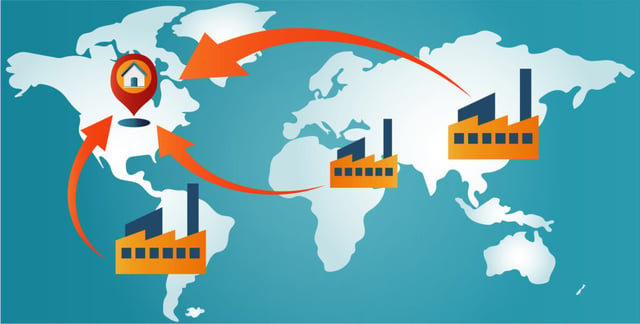
Instead of opting for distant lands with cheaper labor costs in Asia, shifting manufacturing operations to a North American country like Mexico is proving to be the optimal solution. Nearshoring provides the advantages of offshoring while offering similar benefits to domestic production, presenting the best of both worlds.
Nearshoring Defined
At its core, nearshoring is a form of outsourcing, just like offshoring. Rather than setting up manufacturing operations within the home country, companies establish or contract with manufacturing facilities in a foreign country with more favorable conditions for their products.
Although offshoring to Asia has been prevalent for decades, nearshoring is fast becoming the preferred choice. Many US manufacturers are abandoning a declining China and other Asian countries, opting for nearshoring on the North American continent, either within the US or in Mexico and Canada.
Nearshoring to Mexico: The Advantages
Mexico, in particular, stands out as a long-time economic partner with the US. As labor costs in Mexico decline, an increasing number of manufacturers nearshore to the US-Mexico border. Proximity becomes a significant advantage, especially for a country like Mexico, uniquely suited for export-oriented manufacturing.
Nearshoring to Mexico includes a whole host of advantages over offshoring. Here are just some of the most essential benefits of nearshoring:
- Lower Transit Times: Nearshoring from Mexico or Canada substantially reduces shipment times, often taking just a few days to reach US distribution centers, in contrast to weeks from China.
- Comparable Time Zones: Managing operations within the same or similar time zone streamlines coordination and communication between corporate offices and manufacturing facilities.
- Greater Supply Chain Control: Nearshoring enables greater control over the supply chain, making it easier to source vendors and suppliers locally when needed.
- More Flexibility: In a rapidly changing market, nearshoring allows for quick responses to shifts in customer demands, enhancing business agility and adaptability.
- Cost Effectiveness: Closer and more responsive management of operations in nearshoring reduces manufacturing costs, with skilled labor costs in Mexico often proving more affordable.
- Cultural Bridges: Working with neighboring countries minimizes cultural differences compared to far-flung offshore locations, facilitating smoother business interactions.
- Reduced Duties: Nearshoring to a neighboring country often means minimal import/export duties and tariffs, such as through the USMCA agreement, benefiting trade between the US and Mexico.
Overcoming the Challenges of Nearshoring to Mexico
While nearshoring manufacturing operations to Mexico has become a strategic move for numerous US companies aiming to optimize efficiency and cost-effectiveness, there are challenges to overcome. In considering Mexico as a solution for production needs, understanding the advantages and challenges is crucial for successful implementation.
Some primary challenges to nearshoring to Mexico include:
- Supply Chain Disruptions: While nearshoring offers benefits, navigating potential disruptions to the supply chain requires careful planning and risk management. These disruptions may arise from natural disasters, geopolitical events, or unexpected market shifts, emphasizing the need for contingency plans and robust supplier relationships.
- Regulatory Compliance: Companies must be well-versed in Mexican labor and environmental laws to ensure smooth operations and avoid compliance issues. The ever-changing regulatory landscape necessitates continuous monitoring and adaptation, with legal expertise and local partners proving invaluable in maintaining adherence to evolving requirements.
- Cultural Differences: Working with a neighboring country minimizes cultural gaps, but understanding and adapting to Mexico's business practices and workplace norms is essential. Effective cross-cultural communication, sensitivity to social customs, and building strong relationships with Mexican counterparts foster a collaborative and harmonious work environment.
- Transportation and Infrastructure: Addressing transportation challenges and ensuring reliable infrastructure support is vital to maintain efficient logistics. Efficient border crossings, optimized transportation networks, and streamlined customs procedures are critical components in minimizing lead times and supply chain disruptions, enhancing overall operational efficiency.
The rise of nearshoring marks a transformative shift in the manufacturing landscape. Embracing the advantages of nearshoring can empower US companies to flourish, optimize their supply chains, and remain agile in an ever-changing global market. As more businesses recognize the potential of nearshoring, the North American continent emerges as a promising hub for cost-effective and resilient manufacturing.
Maximizing Nearshoring Success
Nearshoring manufacturing operations to Mexico presents US companies with a compelling opportunity to enhance competitiveness, lower costs, and build resilient supply chains. The advantages of proximity, skilled labor, and favorable trade agreements outweigh the challenges with strategic planning and support from expert partners. By embracing nearshoring to Mexico, US manufacturers can unlock the vast potential of this dynamic manufacturing destination, driving growth and success in the North American market.
The rise of nearshoring marks a transformative shift in the manufacturing landscape. Embracing the advantages of nearshoring can empower US companies to flourish, optimize their supply chains, and remain agile in an ever-changing global market. As more businesses recognize the potential of nearshoring, the North American continent emerges as a promising hub for cost-effective and resilient manufacturing.
To further enhance the nearshoring process, US companies can benefit from partnering with a shelter service. A shelter service provider acts as a local facilitator, assisting companies in navigating the complexities of the Mexican business environment. Such a partnership streamlines the establishment of manufacturing operations, ensuring regulatory compliance, managing human resources, and handling administrative tasks. With the guidance and expertise of a shelter service, US manufacturers can focus on their core competencies, accelerating their nearshoring journey and maximizing the benefits of operating in Mexico.